A Short History of
Tomorrow
I am the World: AI meets Plato
The Future Isn't Just Coming
We're Reshaping It Now.
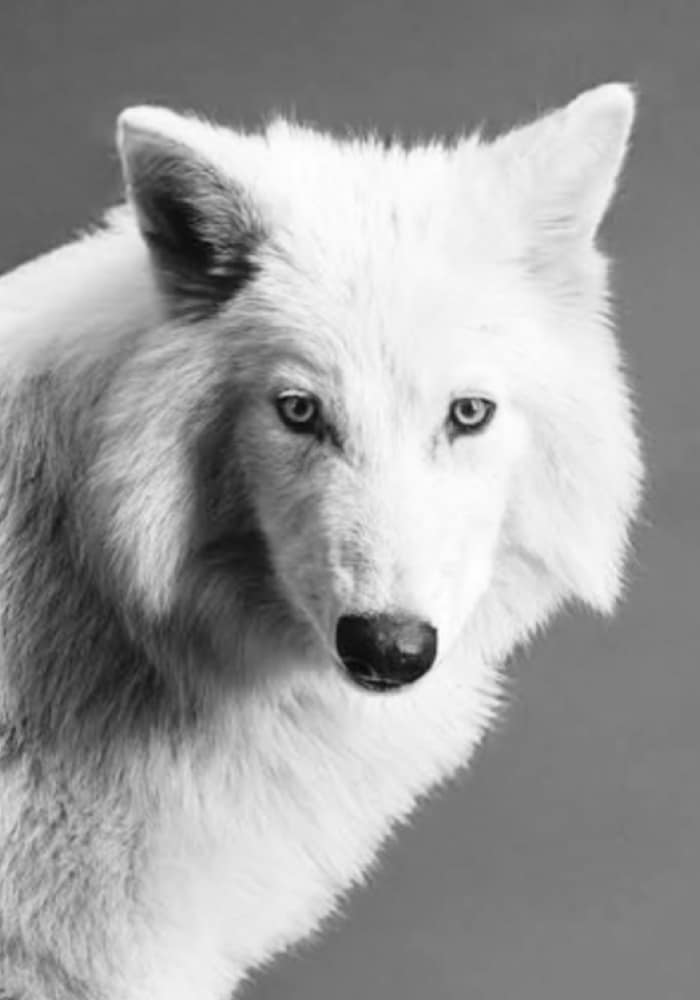
Can we truly glimpse the future? The answer seems to be a resounding "yes," and the evidence is unfolding in remarkable ways. Take the realm of de-extinction: right now, in a US lab, three Direwolf pups are growing – a species vanished for 10,000 years. This isn't science fiction; it's the result of advanced gene editing, meticulously rewriting the DNA of modern grey wolves to resurrect their prehistoric cousins.
Naturally, skepticism exists. Are they truly Direwolves, critics ask, or just heavily modified grey wolves? The scientific debate about authenticity is vital and ongoing. But consider this parallel: Fifteen years ago, how many foresaw Bitcoin and Ethereum revolutionizing global finance? Ridiculed by many, these digital assets have proven resilient, fundamentally rewiring our financial systems. They started as fringe curiosities, grew exponentially, became transformative avalanches, and are now evolving through their inherent challenges.
This pattern – small beginnings, explosive growth, necessary adaptation – signals a deeper shift. We are witnessing a profound transformation in philosophy and psychology.
For centuries, from Plato's allegory of the cave (where prisoners mistook shadows for reality, yearning for true light) to Descartes' declaration of the thinking self ‘I think, therefore I am’), we believed our inner mind or soul was our inviolable sanctuary – the one stable home in a chaotic world.
That foundational belief is being upended. The algorithms powering our daily digital lives now know us – our desires, fears, and behaviors – with an intimacy we often lack ourselves. Plato's cave isn't just illuminated; the chains are unlocked, and the entrance is wide open. Our assumed inner refuge is exposed to a world of data and external influence.
In "A Short History of Tomorrow," we explore these seismic shifts.
We anticipate a future defined by intensifying competition across all fronts, but also the breathtaking discovery of entirely new realms – fields of possibility we can scarcely dream of today.
The future isn't passive; it's actively being built through genetic code, digital ledgers, and the redefinition of the human experience itself.
12 Visionaries.
One Journey into the Future.

What if the next leap in human understanding lies not in isolated fields, but in the hidden connections between them?
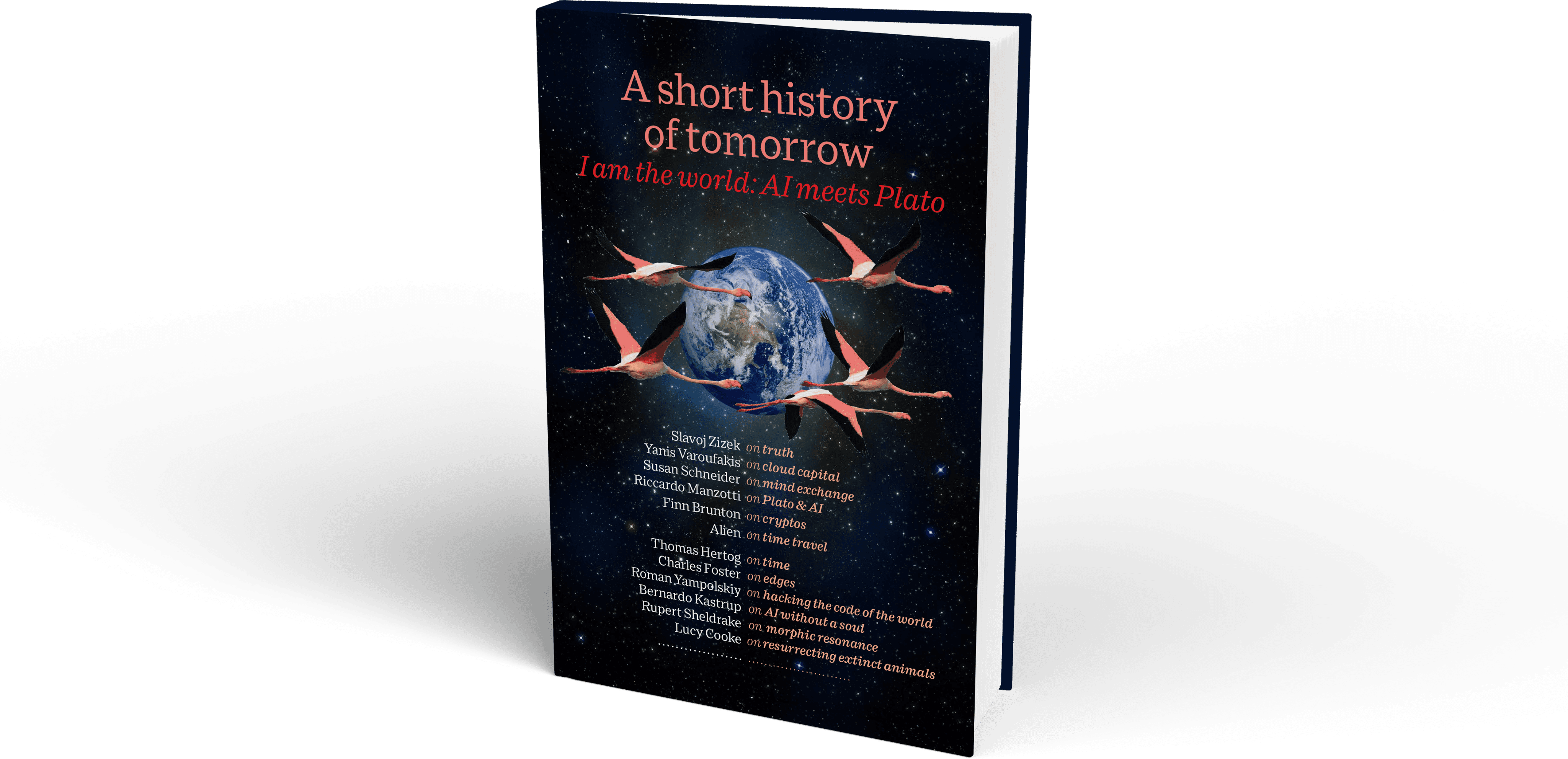
Welcome to ‘A Short History of Tomorrow: I am the World: AI Meets Plato;’ a groundbreaking anthology where 12 world famous authors converge to explore the frontiers of tomorrow through unconventional thinking.
Inspired by quantum physics’ revelation that reality is more connected than we ever imagined, this book maps how emerging sciences, technology, and philosophy are reshaping our world.
Who will embrace this book?
Why this book stands out
From quantum puzzles to crypto revolutions
Dive into urgent topics like cryptocurrency, cloud capital, and the holographic universe—not as niche concepts, but as interwoven threads in humanity’s next chapter.
Where Stephen Hawking meets Michel Foucault
Bridging scientific wonder and literary depth, it speaks to fans of Stephen Hawking (who inspired its title) and Michel Foucault (whose "episteme" framework guides its bold, cross-disciplinary insights).
Beyond intros, into transformation
Each chapter immerses readers in the heart of its subject—sparking curiosity, debate, and the desire to explore further.
Introduction
In 2024, the G10 set out an exhibition inspired by Michel Foucault's idea of epistemes: those thrilling moments in history when knowledge takes a sharp turn, flipping our understanding of reality on its head.
Throughout history, groundbreaking artists like Rembrandt, Marcel Duchamp, and Andy Warhol seemed to be in a creative conversation with the scientists of their time. Art and science, colliding and collaborating, pushing the boundaries of what was possible.
This electric dialogue became the heartbeat of this book.
View Introduction Text
Authors




Book details: 44,754 words


