Entanglement
How the World is connected
The Central Idea of The Book
We are living in an Age of Entanglement — and this book is its map.
What if quantum physics most radical discovery — entanglement, the principle that nothing exists in isolation — has escaped the laboratory to become the defining paradigm of the 21st century? Entanglement brings together thirteen of the world' s most provocative thinkers to argue that the ancient illusion of separation — between mind and matter, private and public , limited and unlimited past and future is finally collapsing.
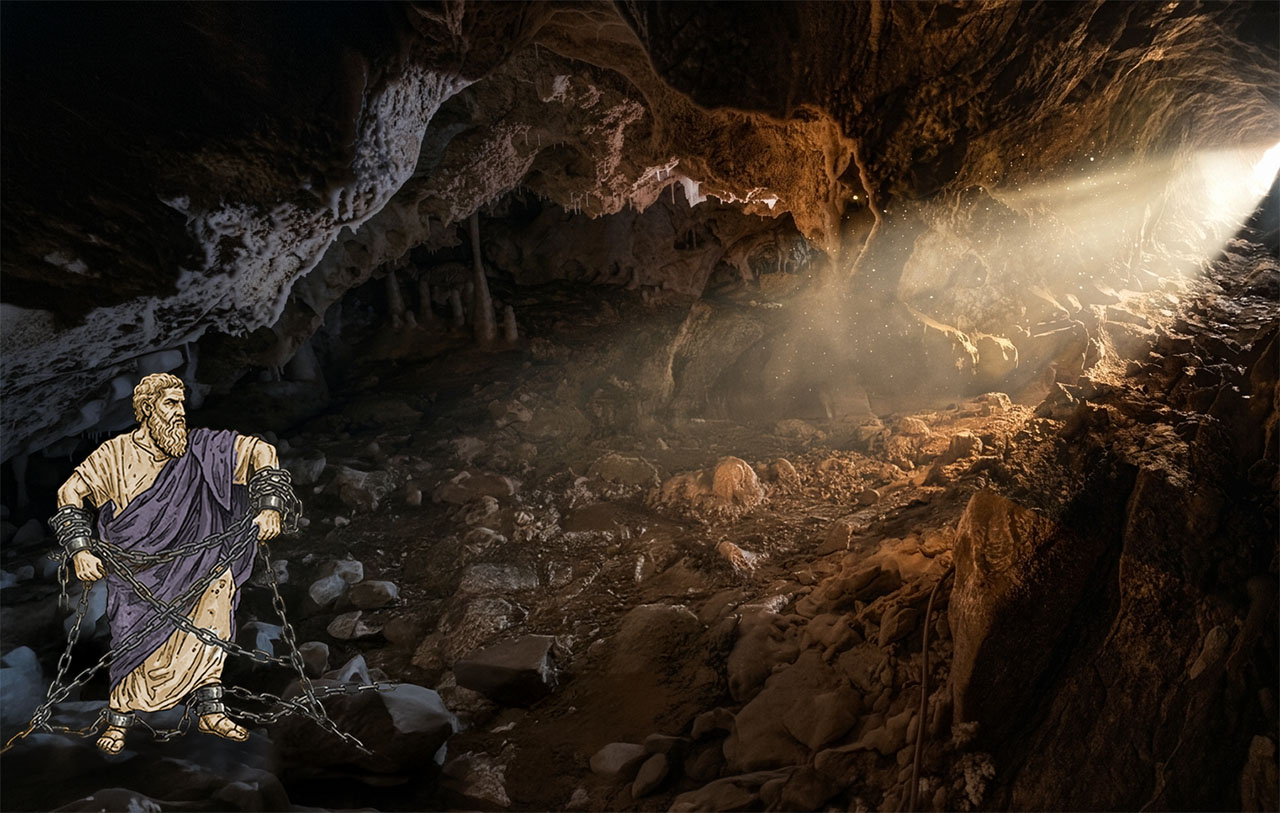
Structured around Michel Foucault's concept of the episteme, the book traces how this collapse visualised in Plato's story of the cave is finally reshaping consciousness, politics, economics, and the nature of life itself. A landmark intellectual event: urgent, accessible, and built for our moment.
In quantum physics, entanglement means that two particles, once connected, remain so — no matter the distance between them. What affects one, affects the other. Instantly. Irrevocably. This is not a metaphor. This is how reality operates at its deepest level.
Now imagine applying that principle to other parts of reality. To the boundary between mind and matter. Between the individual and society. Between the past we carry and the future we cannot yet see. This book argues — compellingly, urgently — that the ancient illusion of separation is collapsing. The walls we built between disciplines, between peoples, between inner and outer worlds, are dissolving.
We are living, whether we know it or not, in the age of entanglement.
What if quantum physics most radical discovery — entanglement, the principle that nothing exists in isolation — has escaped the laboratory to become the defining paradigm of the 21st century? Entanglement brings together thirteen of the world' s most provocative thinkers to argue that the ancient illusion of separation — between mind and matter, private and public , limited and unlimited past and future is finally collapsing.
Structured around Michel Foucault's concept of the episteme, the book traces how this collapse visualised in Plato's story of the cave is finally reshaping consciousness, politics, economics, and the nature of life itself. A landmark intellectual event: urgent, accessible, and built for our moment.
In quantum physics, entanglement means that two particles, once connected, remain so — no matter the distance between them. What affects one, affects the other. Instantly. Irrevocably. This is not a metaphor. This is how reality operates at its deepest level.
Now imagine applying that principle to other parts of reality. To the boundary between mind and matter. Between the individual and society. Between the past we carry and the future we cannot yet see. This book argues — compellingly, urgently — that the ancient illusion of separation is collapsing. The walls we built between disciplines, between peoples, between inner and outer worlds, are dissolving.
We are living, whether we know it or not, in the age of entanglement.
What if quantum physics most radical discovery — entanglement, the principle that nothing exists in isolation — has escaped the laboratory to become the defining paradigm of the 21st century? Entanglement brings together thirteen of the world' s most provocative thinkers to argue that the ancient illusion of separation — between mind and matter, private and public , limited and unlimited past and future is finally collapsing.
Structured around Michel Foucault's concept of the episteme, the book traces how this collapse visualised in Plato's story of the cave is finally reshaping consciousness, politics, economics, and the nature of life itself. A landmark intellectual event: urgent, accessible, and built for our moment.
In quantum physics, entanglement means that two particles, once connected, remain so — no matter the distance between them. What affects one, affects the other. Instantly. Irrevocably. This is not a metaphor. This is how reality operates at its deepest level.
Now imagine applying that principle to other parts of reality. To the boundary between mind and matter. Between the individual and society. Between the past we carry and the future we cannot yet see. This book argues — compellingly, urgently — that the ancient illusion of separation is collapsing. The walls we built between disciplines, between peoples, between inner and outer worlds, are dissolving.
We are living, whether we know it or not, in the age of entanglement.
What if quantum physics most radical discovery — entanglement, the principle that nothing exists in isolation — has escaped the laboratory to become the defining paradigm of the 21st century? Entanglement brings together thirteen of the world' s most provocative thinkers to argue that the ancient illusion of separation — between mind and matter, private and public , limited and unlimited past and future is finally collapsing.
Structured around Michel Foucault's concept of the episteme, the book traces how this collapse visualised in Plato's story of the cave is finally reshaping consciousness, politics, economics, and the nature of life itself. A landmark intellectual event: urgent, accessible, and built for our moment.
In quantum physics, entanglement means that two particles, once connected, remain so — no matter the distance between them. What affects one, affects the other. Instantly. Irrevocably. This is not a metaphor. This is how reality operates at its deepest level.
Now imagine applying that principle to other parts of reality. To the boundary between mind and matter. Between the individual and society. Between the past we carry and the future we cannot yet see. This book argues — compellingly, urgently — that the ancient illusion of separation is collapsing. The walls we built between disciplines, between peoples, between inner and outer worlds, are dissolving.
We are living, whether we know it or not, in the age of entanglement.
For publishers and agents, this book arrives at precisely the right moment. The world is saturated with books about crisis — climate change , conflict, collapsing institutions, artificial intelligence. Entanglement is something rarer and more valuable: a book that makes sense of the chaos. It reframes disruption not as catastrophe but as transformation. After all, a new and better house can only be built once the old one comes down.
What sets this work apart is its scope, its courage, and its fundamental optimism. Each of the thirteen authors approaches entanglement through their own unique lens — science, philosophy, society, consciousness — and yet they converge on a single, resonant truth: that connection, not separation, is the deepest nature of reality.
This is not a book for those who want comfort. It is a book for those with the courage to step out of the cave — to walk toward a future in which human beings grow, rather than diminish.
Entanglement is a title with genuine crossover appeal — reaching readers of popular science, philosophy, current affairs, and personal development. It is intellectually serious without being inaccessible, visionary without being naïve. The shadows on the wall are fading. This book shows us what lies beyond them.
For publishers and agents, this book arrives at precisely the right moment. The world is saturated with books about crisis — climate change , conflict, collapsing institutions, artificial intelligence. Entanglement is something rarer and more valuable: a book that makes sense of the chaos. It reframes disruption not as catastrophe but as transformation. After all, a new and better house can only be built once the old one comes down.
What sets this work apart is its scope, its courage, and its fundamental optimism. Each of the thirteen authors approaches entanglement through their own unique lens — science, philosophy, society, consciousness — and yet they converge on a single, resonant truth: that connection, not separation, is the deepest nature of reality.
This is not a book for those who want comfort. It is a book for those with the courage to step out of the cave — to walk toward a future in which human beings grow, rather than diminish.
Entanglement is a title with genuine crossover appeal — reaching readers of popular science, philosophy, current affairs, and personal development. It is intellectually serious without being inaccessible, visionary without being naïve. The shadows on the wall are fading. This book shows us what lies beyond them.
For publishers and agents, this book arrives at precisely the right moment. The world is saturated with books about crisis — climate change , conflict, collapsing institutions, artificial intelligence. Entanglement is something rarer and more valuable: a book that makes sense of the chaos. It reframes disruption not as catastrophe but as transformation. After all, a new and better house can only be built once the old one comes down.
What sets this work apart is its scope, its courage, and its fundamental optimism. Each of the thirteen authors approaches entanglement through their own unique lens — science, philosophy, society, consciousness — and yet they converge on a single, resonant truth: that connection, not separation, is the deepest nature of reality.
This is not a book for those who want comfort. It is a book for those with the courage to step out of the cave — to walk toward a future in which human beings grow, rather than diminish.
Entanglement is a title with genuine crossover appeal — reaching readers of popular science, philosophy, current affairs, and personal development. It is intellectually serious without being inaccessible, visionary without being naïve. The shadows on the wall are fading. This book shows us what lies beyond them.
Introduction by Boudewijn Richel
View Entire Book

Book details: 49,029 words
Book details: 49,029 words
Translation rights for all territories available at the G10 agency
Translation rights for all territories available at the G10 agency
Participants
Participants
Participants

Slavoj Žizek
Truth
Slavoj Žizek
Truth

Yanis Varoufakis
Cloud Capital
Yanis Varoufakis
Cloud Capital

Susan Schneider
Mind Exchange
Susan Schneider
Mind Exchange
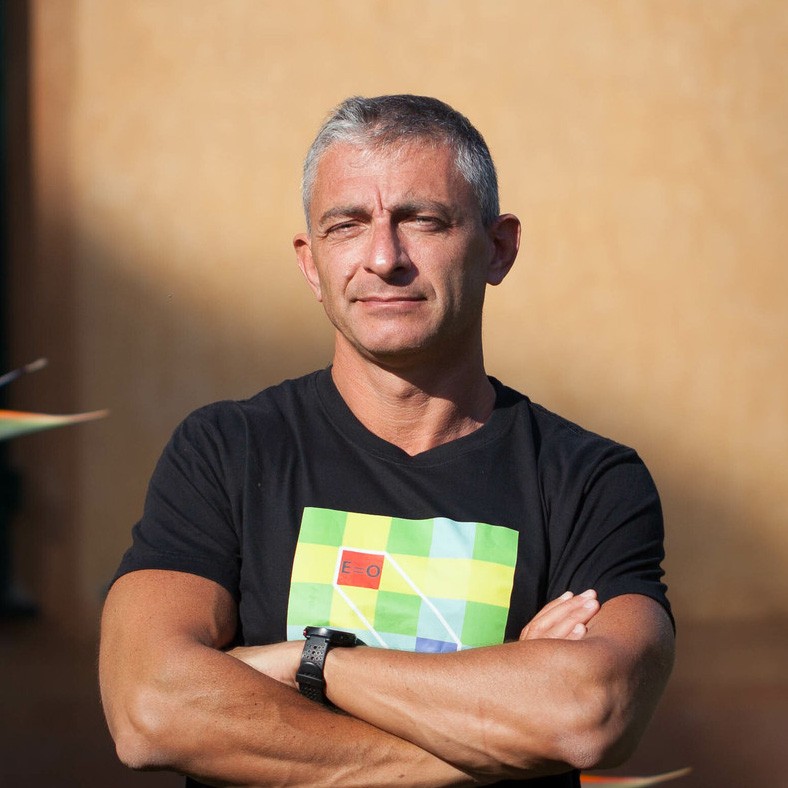
Riccardo Manzotti
Plato & AI
Riccardo Manzotti
Plato & AI
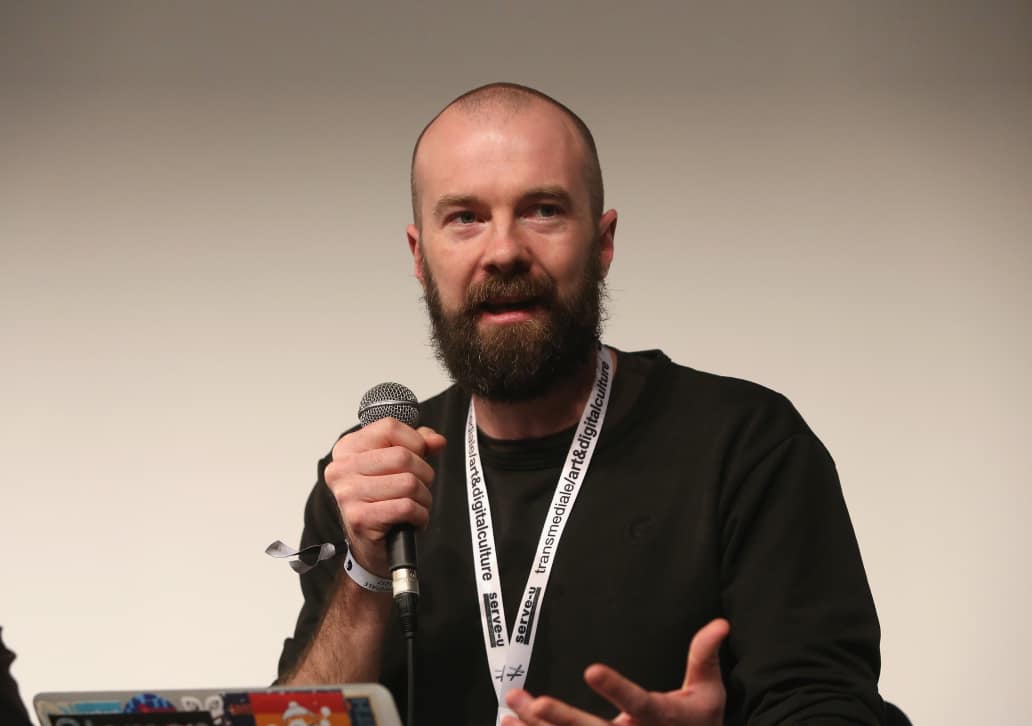
Finn Brunton
Cryptos
Finn Brunton
Cryptos

Thomas Hertog
Time
Thomas Hertog
Time

Charles Foster
Edges
Charles Foster
Edges
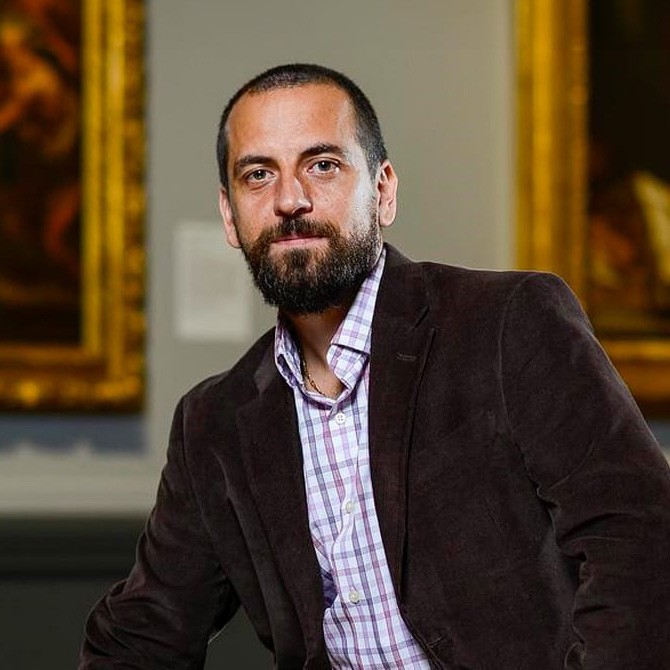
Roman Yampolskiy
Hacking the Code of the World
Roman Yampolskiy
Hacking the Code of the World
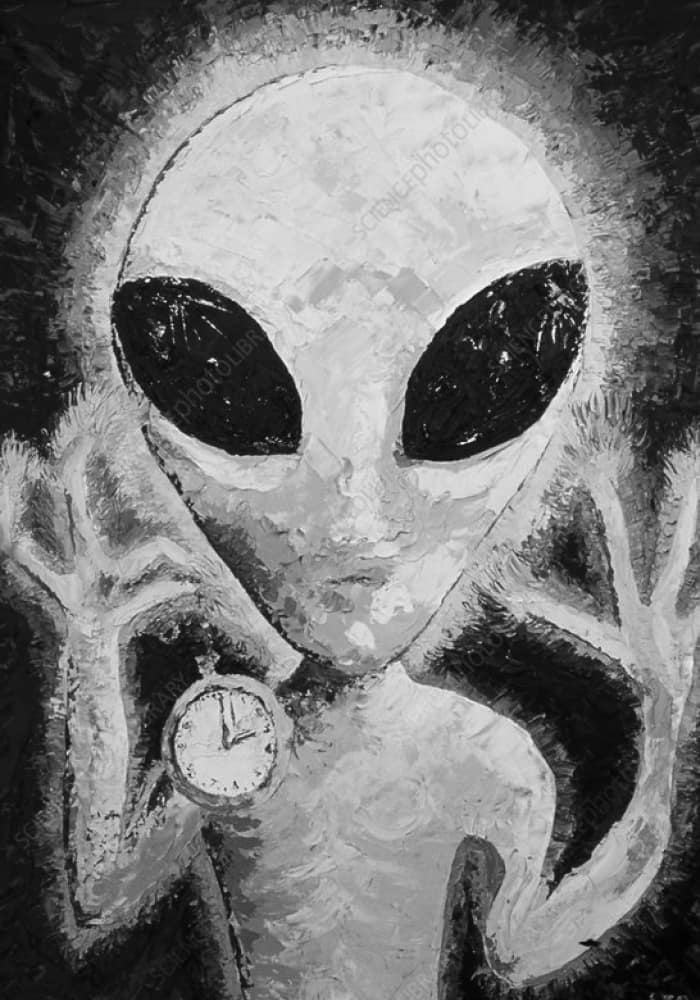
Alien
Time Travel
Alien
Time Travel
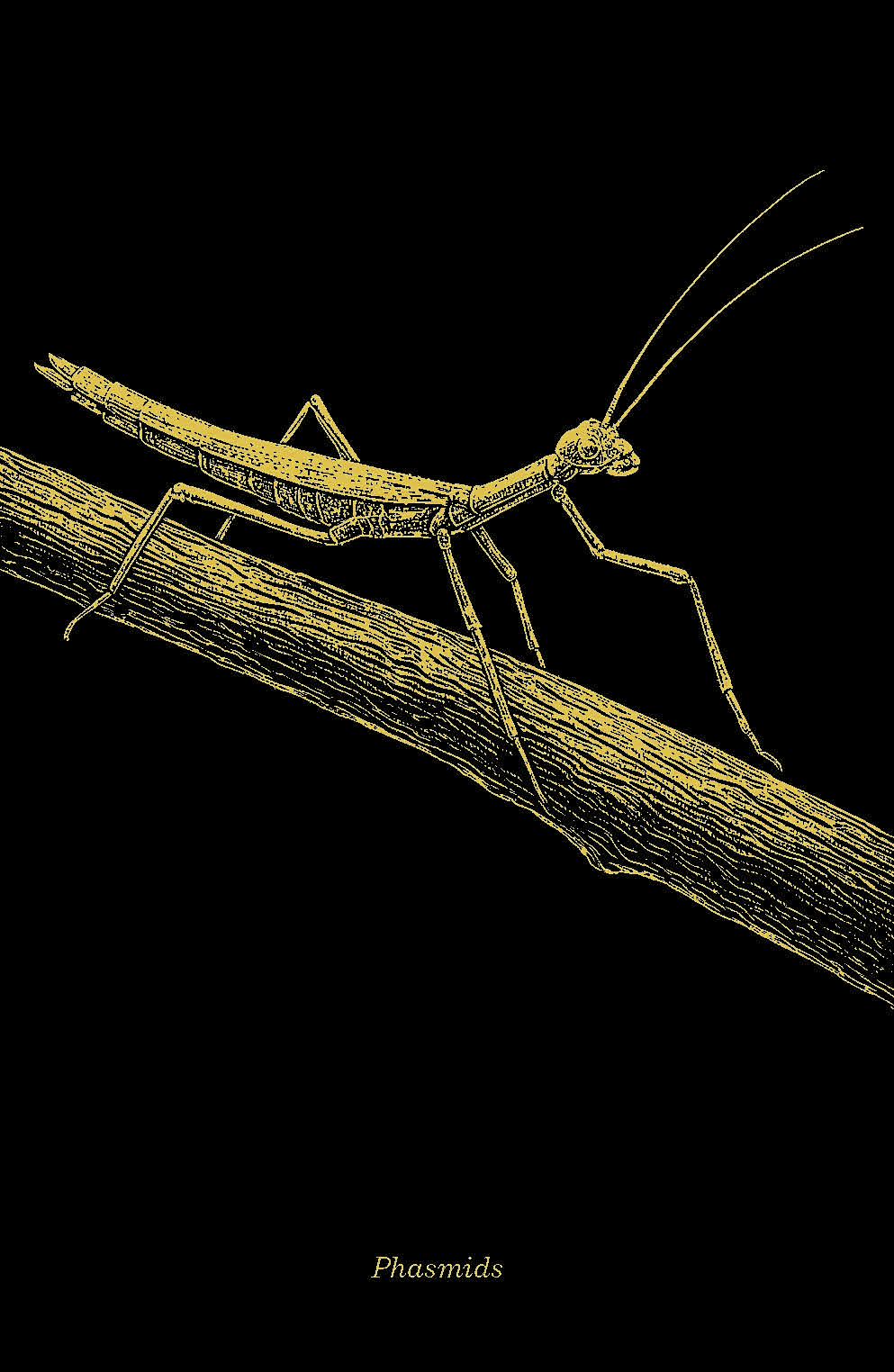

Bernardo Kastrup
AI Won't be Conscious
Bernardo Kastrup
AI Won't be Conscious
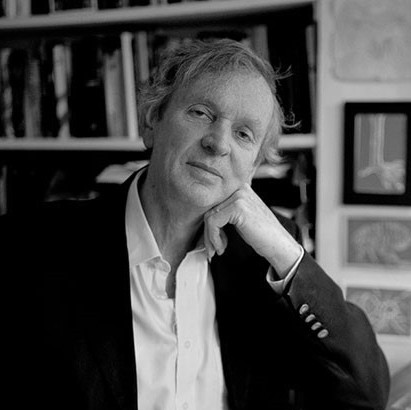
Rupert Sheldrake
Morphic Resonance
Rupert Sheldrake
Morphic Resonance
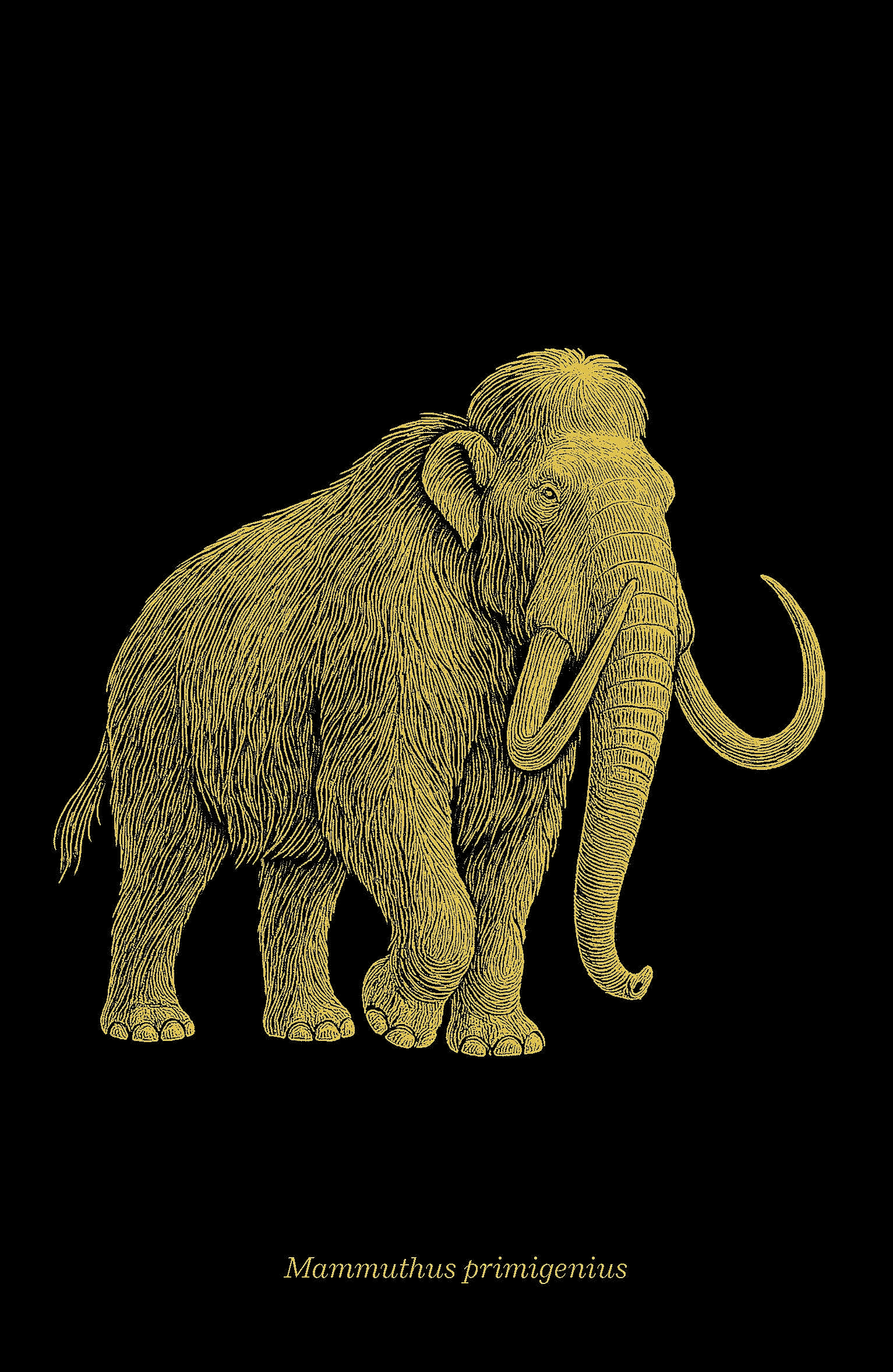

Lucy Cooke
Resurrecting Extinct Animals
Lucy Cooke
Resurrecting Extinct Animals


Philip Goff
Galileo’s Error
Philip Goff
Galileo’s Error